
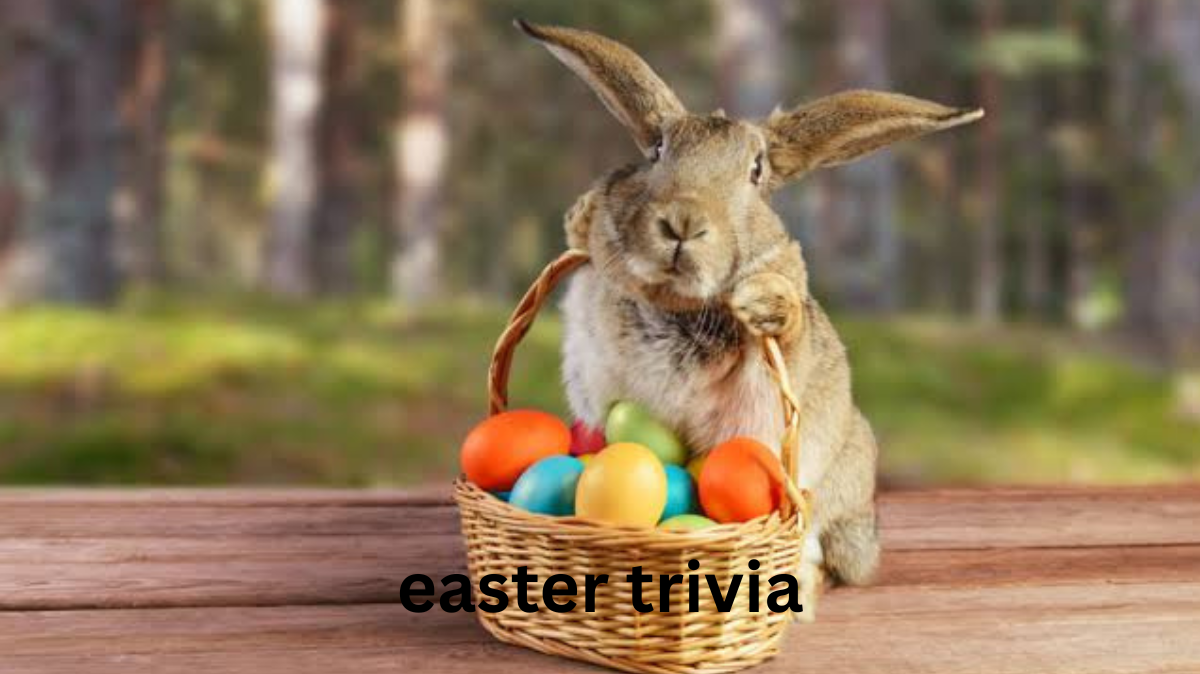
Whether you’re organizing a family gathering, planning a classroom activity, hosting a church event, or simply looking for interesting conversation starters, Easter trivia is one of the easiest ways to make the celebration more engaging. But finding trivia that’s both fun and accurate isn’t always simple. Many online lists repeat the same basic facts or include questions without explaining the fascinating stories behind the answers.
This guide goes beyond a simple collection of questions. You’ll learn the history behind popular Easter traditions, explore surprising facts from around the world, and discover why symbols like eggs, rabbits, and lilies became associated with the holiday. Along the way, you’ll also find practical tips for creating memorable trivia games for children, adults, or mixed-age groups.
Whether you’re a lifelong Easter enthusiast or someone who simply enjoys learning new things, this article provides meaningful Easter trivia that is educational, entertaining, and rooted in history rather than myths.
What Is Easter Trivia?
Easter trivia consists of interesting questions and facts related to Easter’s history, traditions, religious significance, cultural customs, and seasonal celebrations.
Unlike ordinary quizzes, good Easter trivia encourages conversation. Instead of simply asking for correct answers, it helps people understand why traditions exist and how they developed over time.
Popular trivia topics include:
- Easter history
- Biblical events
- Holiday traditions
- Easter symbols
- Famous foods
- International celebrations
- Spring customs
- Fun historical facts
Why Easter Trivia Is So Popular
Trivia brings people together regardless of age.
Children enjoy guessing answers, adults appreciate learning new historical facts, and families often discover traditions they never knew existed.
It’s especially useful for:
- Family dinners
- Church gatherings
- School activities
- Community events
- Office celebrations
- Holiday parties
- Youth groups
Because Easter combines religious meaning with cultural traditions, trivia naturally appeals to a wide audience.
The History Behind Easter Traditions
Many Easter customs have evolved over centuries.
Understanding these traditions makes trivia far more meaningful.
Why Are Eggs Associated With Easter?
Eggs have long represented new life and renewal.
For many Christians, they also symbolize resurrection and hope. Over time, decorating eggs became a cherished Easter tradition in many cultures.
Why Is There an Easter Bunny?
The Easter Bunny developed through European folklore before becoming popular in North America.
The rabbit became associated with spring because rabbits reproduce quickly, making them a natural symbol of new beginnings and fertility.
Why Are Lilies Popular at Easter?
White lilies symbolize purity, hope, and new life.
Many churches use them during Easter celebrations because they reflect themes connected with renewal and resurrection.
Fun Easter Trivia Questions and Answers
Here are some enjoyable Easter trivia questions suitable for most audiences.
1. Which day of the week is Easter celebrated?
Answer: Sunday.
2. What season is Easter celebrated in the Northern Hemisphere?
Answer: Spring.
3. Which flower is most closely associated with Easter?
Answer: The Easter lily.
4. Why are eggs important during Easter?
Answer: They represent new life and renewal.
5. Which animal traditionally delivers Easter eggs?
Answer: The Easter Bunny.
6. Does Easter occur on the same calendar date every year?
Answer: No. The date changes each year based on the calendar used to determine the holiday.
7. What color is most commonly connected with Easter lilies?
Answer: White.
8. Which holiday comes before Easter?
Answer: Good Friday.
9. What sweet treat is commonly shaped like a rabbit?
Answer: Chocolate bunnies.
10. Why do many families organize Easter egg hunts?
Answer: They’re a fun tradition celebrating the joy and excitement of Easter.
Easter Trivia for Kids
Children enjoy questions that are easy to understand and encourage participation.
Examples include:
- What animal brings Easter eggs?
- What shape is an Easter egg?
- Which season includes Easter?
- What color is a traditional Easter lily?
- Name one chocolate treat often eaten during Easter.
- What holiday comes just before Easter Sunday?
Keep questions simple and celebrate participation rather than focusing only on correct answers.
Easter Trivia for Adults
Adults often enjoy questions involving history, traditions, and cultural differences.
Examples include:
- Why does Easter have a different date each year?
- Which countries celebrate Easter with unique local traditions?
- How did chocolate eggs become popular?
- What historical customs inspired modern Easter celebrations?
- Why are hot cross buns traditionally eaten before Easter?
These questions encourage discussion rather than simple memorization.
Easter Around the World
One of the most fascinating aspects of Easter trivia is discovering how different cultures celebrate the holiday.
Examples include:
- Decorating elaborate eggs
- Community processions
- Traditional Easter breads
- Family feasts
- Sunrise services
- Children’s games
- Regional desserts
Although customs vary widely, themes of hope, renewal, family, and celebration remain remarkably consistent.
Unique Insight: Many Easter Traditions Began as Community Activities
One interesting detail often overlooked is that many familiar Easter customs weren’t originally designed just for children.
Decorating eggs, gathering for seasonal meals, singing together, and sharing baked goods were once community-wide traditions involving every generation.
Today’s family-friendly activities are modern adaptations of celebrations that historically brought entire villages together.
The Science Behind Egg Decorating
Decorated eggs are beautiful, but there’s practical history behind the tradition as well.
Before refrigeration became common, families often boiled eggs to preserve them.
During festive occasions, coloring or decorating them helped distinguish prepared eggs while also making celebrations more joyful.
This practical origin is rarely mentioned in basic Easter trivia lists.
How to Host an Easter Trivia Game
Planning a successful trivia session doesn’t require expensive supplies.
Follow these simple steps.
1. Choose Your Audience
Decide whether players are:
- Young children
- Teenagers
- Adults
- Mixed families
Adjust question difficulty accordingly.
2. Mix Easy and Challenging Questions
A balanced game keeps everyone engaged.
For example:
- Easy warm-up questions
- Medium history questions
- Fun bonus questions
- Team challenges
3. Include Different Categories
Examples include:
- Easter traditions
- Food
- History
- Nature
- Bible knowledge
- Famous symbols
Variety keeps the game interesting.
4. Encourage Discussion
Instead of simply announcing answers, explain why they’re correct.
Players often remember stories much longer than isolated facts.
Common Mistakes When Creating Easter Trivia
Avoid these frequent problems.
Making Every Question Religious
Some audiences appreciate religious questions, while others prefer cultural traditions.
A balanced mix works best.
Using Only Difficult Questions
Trivia should be enjoyable rather than intimidating.
Include easy wins for younger participants.
Repeating Well-Known Facts
Everyone knows about chocolate eggs.
Adding lesser-known historical stories makes the experience much more memorable.
Unique Insight: The Best Trivia Creates Conversations, Not Competition
Many hosts focus entirely on keeping score.
However, experienced event organizers often discover that the most successful Easter trivia sessions are those where each answer leads naturally into a short story, memory, or discussion.
Guests remember shared conversations long after they’ve forgotten who won.
Practical Ways to Use Easter Trivia
Easter trivia isn’t limited to parties.
It also works well for:
- Classroom icebreakers
- Church youth groups
- Family reunions
- Senior community events
- Holiday dinners
- Workplace celebrations
- Homeschool lessons
Its flexibility makes it suitable for nearly every age group.
FAQ
What are some easy Easter trivia questions for families?
Simple questions about Easter eggs, rabbits, spring, flowers, and holiday traditions are ideal for family gatherings. They encourage everyone to participate, including young children, while still giving adults an opportunity to share interesting stories behind the answers.
Why does Easter fall on a different date every year?
Unlike holidays with fixed calendar dates, Easter is determined using a traditional calculation based on the spring season and the lunar cycle. This is why the celebration occurs on different Sundays each year.
What makes good Easter trivia for adults?
Adults generally enjoy questions that include historical background, cultural traditions, and lesser-known facts rather than simple holiday symbols. Questions that encourage conversation usually create the most enjoyable experience.
How many Easter trivia questions should a party include?
Most gatherings work well with 20 to 30 questions. This provides enough variety to keep players engaged without making the activity feel too long.
Can Easter trivia be educational for children?
Absolutely. Well-designed trivia introduces children to history, traditions, geography, seasonal celebrations, and critical thinking in a fun and interactive way. Explaining the stories behind each answer helps them remember what they’ve learned.
Conclusion
Easter trivia is much more than a holiday game. It offers a meaningful way to explore history, traditions, culture, and the values that have shaped Easter celebrations across generations. Whether you’re hosting a party, teaching a class, or enjoying time with family, thoughtful trivia encourages curiosity, conversation, and shared memories.
The best Easter trivia combines fun with learning, balancing easy questions with surprising historical insights that many people haven’t heard before. By focusing on stories rather than just answers, you can create an experience that’s entertaining, memorable, and enjoyable for participants of every age.
