
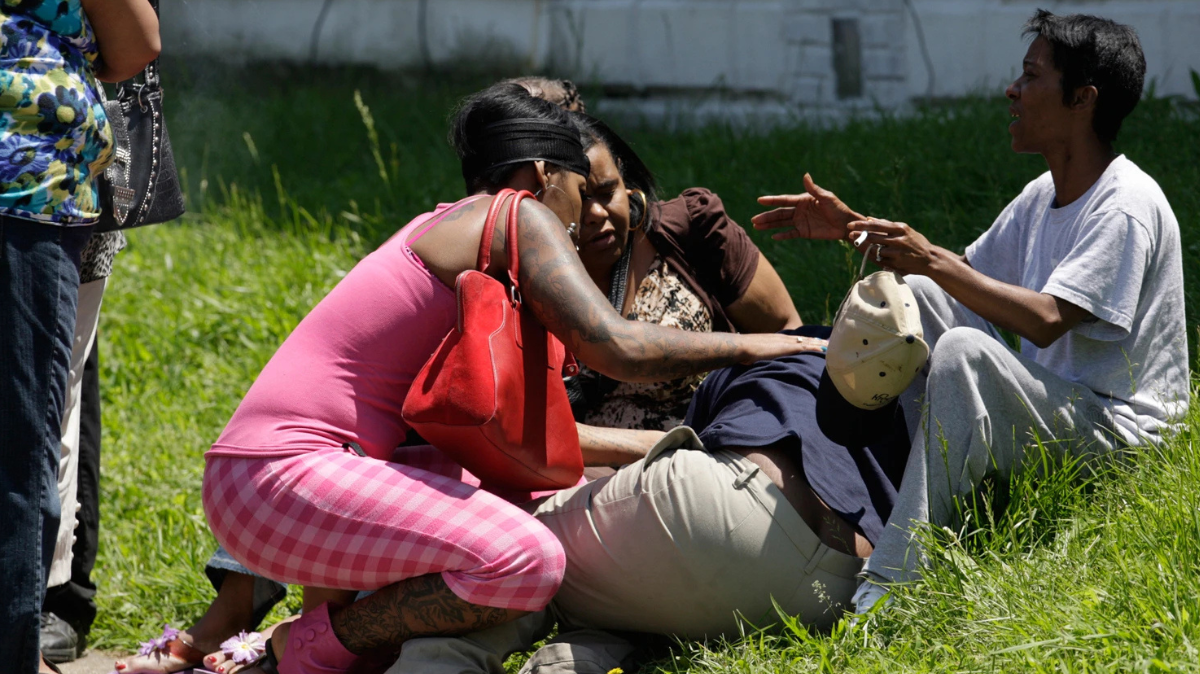
The recent Louisville shooting has left many people searching for reliable information amid an overwhelming amount of news coverage and social media speculation. When a tragic act of violence involves a young victim, questions naturally follow: What happened? Who was involved? What do investigators know so far? And what lessons can communities learn from such heartbreaking events?
This article provides a clear, fact-based overview of the recent Louisville shooting that claimed the life of 15-year-old Da’Jon Anthony Hayes-Burr, a teenager previously recognized for his courage after protecting a younger child during a separate incident earlier in the year. His death has sparked conversations not only about violent crime but also about youth safety, community support, and the challenges facing cities across the United States. Authorities have arrested a 14-year-old suspect, while the investigation into the motive remains ongoing.
Rather than focusing on speculation, this guide explains the confirmed facts, the investigation, the community’s response, and the broader issues surrounding youth violence in a way that is informative, respectful, and easy to understand.
What Happened in the Louisville Shooting?
According to Louisville Metro Police, the shooting occurred on the evening of July 25, 2026, in the city’s Shawnee neighborhood. Officers responded to reports of gunfire and found Da’Jon Anthony Hayes-Burr, 15, suffering from gunshot wounds. Despite emergency medical treatment, he later died at a local hospital. A 14-year-old suspect was taken into custody and charged with murder. Because the suspect is a minor, authorities have not released the individual’s identity. Investigators have also not publicly identified a motive, and the case remains active.
One reason the case attracted national attention is that Hayes-Burr had already become known in Louisville for an earlier act of bravery. In April 2026, he intervened to help protect a 12-year-old girl from an adult who was allegedly harassing her at a public event. During that confrontation, Hayes-Burr was stabbed but survived and was later honored by local officials and Kentucky Governor Andy Beshear for his courage.
Timeline of Events
Understanding the sequence of events helps separate verified information from rumor.
April 2026
- Hayes-Burr intervened to protect a young girl from harassment.
- He was stabbed during the confrontation.
- The incident drew widespread praise from community leaders.
- Louisville officials and the governor publicly recognized his bravery.
July 25, 2026
- Police responded to reports of a shooting in Louisville’s Shawnee neighborhood.
- Hayes-Burr suffered fatal gunshot injuries.
- Emergency responders transported him to a hospital, where he later died.
Following the Shooting
- Police arrested a 14-year-old suspect.
- Murder charges were filed.
- Detectives continued gathering evidence and interviewing witnesses.
- Community members organized tributes and support for the victim’s family.
Why This Case Received National Attention
Sadly, shootings occur in many American cities every year. However, this incident resonated far beyond Louisville because of Hayes-Burr’s earlier actions.
Only months before his death, he had risked his own safety to protect a younger child. Many community members viewed him as an example of courage and selflessness. His death therefore became more than another crime statistic—it represented the loss of a teenager who had already demonstrated exceptional character. Public officials, educators, and local residents described him as someone who acted when others might have hesitated.
What Investigators Know So Far
As with any active homicide investigation, police have been careful to release only verified information.
Confirmed facts include:
- The victim was 15 years old.
- The suspect is 14 years old.
- A murder charge has been filed.
- The investigation remains ongoing.
- Authorities have not announced a public motive.
Investigators typically work through several stages in cases like this:
- Collecting physical evidence.
- Reviewing surveillance footage when available.
- Interviewing witnesses.
- Analyzing forensic evidence.
- Presenting findings to prosecutors.
Because juvenile suspects have additional legal protections, fewer details are often released compared with adult criminal cases.
Community Response
The Louisville community responded with grief, remembrance, and support for Hayes-Burr’s family.
Schools, local leaders, neighbors, and community organizations honored the teenager’s memory. Public officials emphasized that his earlier actions reflected compassion and courage, encouraging people to remember him for how he lived rather than only how he died. Fundraising efforts were also launched to help his family with funeral expenses.
One important lesson from community responses to tragedies like this is that recovery extends beyond the immediate investigation. Families, classmates, teachers, and neighbors often require emotional support long after media attention fades.
Understanding Juvenile Crime Investigations
A question many readers ask is why authorities sometimes release limited information.
When a suspect is under 18, the justice system often balances public transparency with legal protections designed for minors. While serious charges such as murder can lead to significant legal consequences, investigators may withhold names, evidence, or court details until later stages of the case.
This approach helps protect the integrity of the investigation while complying with juvenile justice laws.
Unique Insight: Why Community Heroes Often Become Powerful Symbols
One aspect that distinguishes this case from many others is the public perception of the victim.
When someone has already demonstrated extraordinary courage, communities tend to see that individual as representing shared values such as kindness, responsibility, and bravery. The emotional impact becomes deeper because people feel they have lost not only a young life but also someone who inspired others through actions rather than words.
This explains why tributes to Hayes-Burr focused heavily on his character and previous heroism instead of only recounting the circumstances of his death.
What This Tragedy Reveals About Youth Violence
The Louisville shooting also highlights a broader challenge facing many communities: violence involving teenagers.
Experts often point out that youth violence is rarely caused by a single factor. Instead, it may involve a combination of:
- Access to firearms
- Neighborhood conflicts
- Social influences
- Family circumstances
- Limited conflict-resolution skills
- Exposure to previous violence
Recognizing these contributing factors is important because effective prevention usually requires cooperation between schools, families, law enforcement, community organizations, and mental health professionals—not just stronger criminal penalties.
Public Safety Lessons Communities Can Learn
While every shooting has its own circumstances, many experts agree that meaningful prevention requires a long-term approach rather than reacting only after a tragedy occurs. Communities that successfully reduce violent crime often combine law enforcement efforts with education, youth programs, and mental health resources.
Some practical lessons include:
- Encourage early intervention. Teachers, parents, coaches, and mentors are often the first to notice when a young person is struggling. Addressing problems early can prevent conflicts from escalating.
- Strengthen community partnerships. Schools, neighborhood organizations, faith groups, and local agencies can work together to create safe spaces and positive opportunities for young people.
- Promote conflict resolution skills. Many youth-focused programs teach communication, emotional regulation, and nonviolent problem-solving—skills that can reduce the likelihood of disputes turning violent.
- Support victims and witnesses. Recovery involves more than solving a criminal case. Families, classmates, and community members often need counseling and long-term emotional support.
One important takeaway is that prevention is most effective when it begins long before violence occurs.
The Lasting Impact on Families and Communities
The effects of a shooting extend far beyond those directly involved.
For the victim’s family, the loss is permanent. Parents, siblings, relatives, and close friends often face years of grief and adjustment. Schools may experience emotional challenges as classmates process the tragedy, while neighborhoods can struggle with fear and uncertainty.
Communities frequently respond by:
- Holding memorial gatherings
- Providing grief counseling
- Offering financial assistance to affected families
- Organizing violence prevention initiatives
- Creating scholarship or community service programs in the victim’s memory
These efforts cannot erase the loss, but they can help families feel supported and encourage positive action.
The Role of Accurate Information
In today’s digital world, news spreads almost instantly. Unfortunately, so do rumors.
During active investigations, incomplete or incorrect information often circulates on social media. Sharing unverified claims can unintentionally harm families, mislead the public, and complicate investigations.
When following a developing case, it is best to:
- Rely on confirmed statements from law enforcement.
- Understand that investigations evolve as new evidence emerges.
- Avoid sharing rumors or speculation.
- Recognize the difference between verified facts and online opinions.
This approach helps ensure that public conversations remain respectful and informed.
Common Misconceptions About High-Profile Shootings
“Police should know everything immediately.”
In reality, homicide investigations often take days, weeks, or even months. Detectives must carefully analyze evidence, interview witnesses, review forensic findings, and verify every detail before making public statements.
“If little information is released, something is being hidden.”
Limited public information is common, especially when a juvenile suspect is involved. Investigators may withhold details to protect the integrity of the case and comply with legal requirements.
“One solution can prevent every shooting.”
There is no single answer. Reducing violence typically requires a combination of effective policing, community engagement, education, mental health support, and youth development programs.
“Media attention ends the story.”
News coverage often fades within days, but affected families and communities continue dealing with the emotional and practical consequences for years.
Practical Ways Communities Can Support Young People
Preventing youth violence is a shared responsibility.
Communities can make a positive difference by:
- Expanding after-school activities and mentorship programs.
- Increasing access to mental health services.
- Encouraging trusted relationships between young people and adults.
- Teaching conflict resolution and emotional resilience.
- Creating safe public spaces where youth can build positive connections.
These measures may not eliminate violence entirely, but they can reduce risk factors and strengthen community support systems.
Unique Insight: Recognition Should Continue Beyond Tragedy
One lesson from this case is that communities often celebrate acts of courage only after a tragedy gains national attention.
Young people who demonstrate leadership, kindness, or bravery should receive ongoing recognition while they are alive. Schools, local governments, and community organizations can encourage positive behavior by regularly highlighting youth role models rather than waiting until after a crisis.
Creating a culture that values everyday acts of courage may inspire others to make positive choices.
Unique Insight: Recovery Is Measured in Years, Not Weeks
When a major incident occurs, public attention is often intense but short-lived.
For families and neighborhoods, however, healing is a much longer journey. Anniversaries, birthdays, and school milestones can renew feelings of grief long after headlines disappear.
Communities that maintain long-term support through counseling, remembrance events, and youth programs often recover more effectively than those whose assistance ends once media coverage fades.
FAQ
What happened in the recent Louisville shooting?
The recent Louisville shooting involved the death of 15-year-old Da’Jon Anthony Hayes-Burr, who was fatally shot in July 2026. Police arrested a 14-year-old suspect, and the investigation remains ongoing. Authorities continue to gather evidence while withholding some details because the suspect is a juvenile.
Why did this Louisville shooting receive national attention?
The case attracted widespread attention because Hayes-Burr had previously been recognized for protecting a younger girl during a separate incident in which he was stabbed. His earlier act of bravery made his death especially meaningful to many people across the country.
Has police identified the motive?
As of the latest official updates, investigators have not publicly announced a confirmed motive. Detectives continue to review evidence and interview witnesses before releasing additional information.
How do juvenile homicide investigations differ from adult cases?
Juvenile cases often involve additional privacy protections. Authorities may release fewer details about the suspect, and court proceedings can follow different legal procedures depending on state law and the severity of the charges.
What can communities do to help prevent youth violence?
Prevention involves multiple strategies, including strong family support, quality education, mentoring programs, mental health resources, conflict-resolution training, and cooperation between schools, community organizations, and law enforcement. No single solution is sufficient on its own.
Conclusion
The recent Louisville shooting is a heartbreaking reminder of the lasting impact violent crime has on families, schools, and entire communities. While investigators continue working to establish all the facts, the case has already prompted important conversations about youth safety, violence prevention, and the need for long-term community support.
Remembering Da’Jon Anthony Hayes-Burr for his courage as well as his tragic death reflects the values many communities hope to encourage in future generations. His willingness to help someone else became part of his legacy, and that legacy continues to inspire conversations about compassion, responsibility, and protecting young people.
As the legal process moves forward, the most responsible approach is to rely on verified information, avoid speculation, and support efforts that strengthen communities and reduce the risk of future violence. Although no single action can erase such a loss, sustained investment in young people, education, and community partnerships offers the best opportunity to build a safer future for everyone.
