
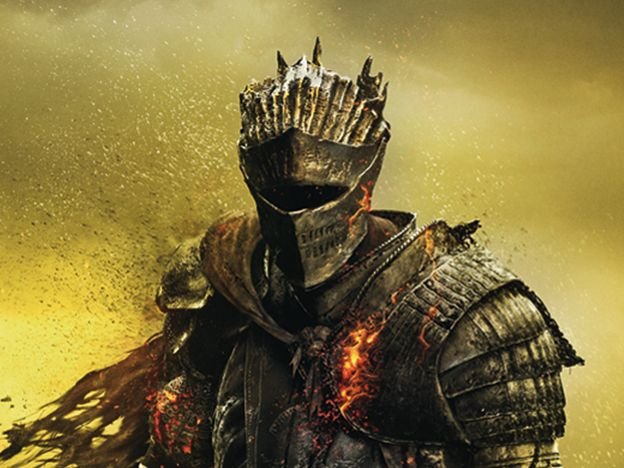
Starting Dark Souls can feel like walking into a game that actively wants you to fail. Enemies hit hard, healing is limited, the world rarely explains what to do next, and even a simple trip back to an area you already cleared can become dangerous. Yet that difficulty is only part of what makes the game memorable.
The real challenge is learning how Dark Souls works rather than simply trying to react faster. Once you understand stamina management, enemy patterns, weapon scaling, equipment load, and the importance of positioning, the game becomes much more manageable. You also begin to notice that many deaths are useful: they reveal an attack pattern, a shortcut, a trap, or a mistake in your own approach.
This guide breaks down the systems that matter most, from choosing a starting class to building a reliable character and handling difficult bosses. It also covers several less obvious lessons that can save you hours of frustration. Whether you’re playing for the first time or returning after years away, the goal is simple: help you understand why you are struggling and what to change.
What Makes Dark Souls Different?
Dark Souls is an action RPG built around deliberate combat, exploration, character progression, and risk management.
Unlike many modern games, it does not constantly tell you where to go or how to defeat an enemy. You are expected to experiment.
Three systems shape almost everything you do:
- Stamina controls your actions.
- Souls function as both currency and experience.
- Death creates risk but also teaches you how the world works.
The important distinction is that Dark Souls is usually not asking, “Can you react quickly enough?”
It is asking, “Can you recognize what is happening and make the correct decision?”
That difference becomes especially important during boss fights.
Understanding the Core Combat System
Stamina Is More Important Than Health
New players often focus on increasing HP because they are dying frequently. That can help, but stamina is one of the most important resources in combat.
Every meaningful action can consume stamina, including:
- Attacking
- Blocking
- Sprinting
- Dodging
If you empty your stamina bar attacking an enemy, you may have nothing left when its counterattack begins.
A better habit is to avoid thinking, “How many hits can I get?”
Instead ask:
“How much stamina do I need to survive the next attack?”
That small change dramatically improves combat discipline.
Don’t Always Attack Immediately
One of the easiest mistakes is attacking as soon as an enemy appears vulnerable.
Sometimes an enemy’s animation is intentionally designed to make you think it has finished attacking. Waiting an extra moment can reveal another swing or follow-up attack.
Against difficult enemies, spend your first attempt studying them.
Look for:
- Their attack range.
- Their recovery time.
- Whether they have a delayed attack.
- How far their attacks track your movement.
- When it is genuinely safe to counterattack.
Once you understand those five things, the same enemy can suddenly feel much easier.
Choosing a Starting Class
Your starting class affects your early experience, but it does not permanently lock you into a particular build.
For a first playthrough, classes such as Knight, Warrior, or Pyromancer can be comfortable choices depending on your preferred playstyle.
Knight
A Knight is useful if you want stronger early defenses and a straightforward melee approach.
The downside is that heavy equipment can make movement slower if you are not paying attention to your equipment load.
Warrior
The Warrior is a good choice for players who want conventional melee combat.
It gives you a solid foundation for experimenting with different physical weapons without forcing you into a complicated setup.
Pyromancer
Pyromancy is particularly interesting because it can provide strong ranged damage without requiring the same investment in Intelligence as traditional sorcery.
For beginners, that can create useful flexibility.
The bigger lesson is this:
Choose a class based on how you want to play during the opening hours, not what you think your character must become later.
How to Build a Strong Character
One of the biggest beginner mistakes is spreading points across too many attributes.
A character with moderate Strength, Dexterity, Intelligence, Faith, and several other stats may sound versatile, but in practice it can become inefficient.
Instead, decide what your main source of damage will be.
For example:
- Strength-focused melee
- Dexterity-focused melee
- Strength/Dexterity hybrid
- Intelligence-based casting
- Faith-based casting
- Pyromancy-supported melee
Then prioritize the stats that actually improve that style.
Don’t Ignore Weapon Upgrades
This is one of the most useful lessons for new players.
A weapon with several upgrade levels can outperform a supposedly stronger weapon that you have left untouched.
Players sometimes spend too much time hunting for a “perfect” weapon when their current weapon simply needs upgrading.
If you like how a weapon feels, invest in it before replacing it just because another weapon has better numbers on paper.
That is especially important early in the game.
Equipment Load and Why Movement Matters
Your equipment load affects how your character moves.
Heavy armor can provide excellent protection, but mobility can become more valuable than raw defense in certain situations.
A common beginner experience looks like this:
You equip the strongest armor you own, your character becomes slower, and suddenly dodging attacks feels terrible.
Then you remove some weight and discover that the same enemy is much easier.
This isn’t because armor is useless. It is because defense and mobility solve different problems.
If your strategy depends heavily on dodging, build around movement.
If you prefer blocking and absorbing hits, heavier protection may make more sense.
How to Handle Boss Fights
Bosses are where Dark Souls’ design philosophy becomes most obvious.
When you repeatedly die to a boss, don’t immediately assume that you need more damage.
Sometimes the actual problem is:
- Poor positioning
- Greedy attacks
- Panic rolling
- Running out of stamina
- Healing at unsafe moments
- Not recognizing a delayed attack
Use the First Attempt as Reconnaissance
A powerful approach is to treat an early boss attempt as information gathering.
Don’t worry about winning.
Watch the boss.
Learn:
- Which attacks have obvious openings.
- Which attacks should be dodged rather than blocked.
- How close you need to stand.
- When healing is safe.
- Whether staying behind the boss is actually beneficial.
Then your next attempt becomes less about discovering the fight and more about executing what you learned.
The Two-Hit Rule
A useful practical rule for many encounters is to limit yourself to one or two attacks before reassessing.
This prevents the classic mistake:
“I can get one more hit.”
That extra attack is responsible for a huge number of deaths.
If an opening appears, take the guaranteed damage rather than gambling on maximum damage.
Managing Souls Without Losing Your Mind
Souls serve multiple purposes, including purchasing items and improving your character.
The psychological problem is that players naturally become attached to large amounts.
You start thinking:
“I have 15,000 souls. I absolutely cannot die.”
That fear can make you play worse.
You become cautious in the wrong places, rush through familiar enemies, and make mistakes because you are desperate to reach a bonfire.
A Better Mindset
Treat souls as temporary resources, not personal possessions.
If you have enough to level up, consider spending them.
If you are carrying a large amount but cannot reach a safe location, accept that you might lose them.
This mindset makes exploration much less stressful.
Exploration Is Part of the Progression
Dark Souls rewards players who explore rather than simply follow an imaginary main path.
Pay attention to:
- Locked doors
- Suspicious walls
- Ladders
- Elevators
- Shortcuts
- Unusual enemy placements
- NPC dialogue
- Areas that seem inaccessible
One of the game’s most satisfying moments is discovering that two locations you thought were separate are actually connected.
The Shortcut Lesson
A shortcut is more than convenience.
It changes the risk calculation of an area.
If reaching a boss originally takes several minutes of combat but you discover a shortcut that takes thirty seconds, suddenly repeated attempts become much less punishing.
This is one reason exploration can be as valuable as leveling up.
Common Mistakes New Players Make
1. Panic Rolling
Repeatedly pressing the dodge button usually makes things worse.
Instead, watch the enemy’s attack and roll with purpose.
2. Attacking While Out of Stamina
A powerful weapon does not help if you cannot dodge afterward.
Always leave enough stamina for defense.
3. Changing Weapons Too Often
Constantly switching weapons can prevent you from learning the moveset of any particular weapon.
Find something comfortable and practice with it.
4. Treating Every Enemy Like a Boss
You don’t need a perfect strategy for every basic enemy.
Sometimes the best solution is simply to move past them.
5. Assuming Death Means Failure
In Dark Souls, death is part of the learning system.
If you died and now understand why, the attempt wasn’t wasted.
Three Less-Obvious Lessons That Make Dark Souls Easier
Your Position Can Matter More Than Your Damage
Players often obsess over attack power, but where you stand can determine whether an enemy’s attack connects at all.
Moving slightly to the side, staying behind an enemy, or controlling the distance can turn a dangerous encounter into a manageable one.
A Familiar Enemy Can Still Be Dangerous
Once you learn an area, it is easy to switch into autopilot.
That is when mistakes happen.
The enemies you have defeated dozens of times can kill you precisely because you stop respecting them.
Treat familiar areas with the same basic discipline as new ones.
The Best Build Is Often the One You Understand
A theoretically powerful build is not automatically useful if you don’t understand how its weapons, stats, stamina demands, and range interact.
A simpler build that you know extremely well can outperform a complicated build that looks stronger on a character sheet.
That principle applies far beyond Dark Souls.
How to Improve Faster
If you feel stuck, change the way you practice instead of simply grinding levels.
Try this process:
- Choose one enemy or boss.
- Spend one attempt avoiding attacks instead of attacking.
- Identify its safest opening.
- Practice attacking only during that opening.
- Learn when healing is possible.
- Repeat until the fight feels predictable.
This method turns frustration into deliberate practice.
You are effectively separating the fight into individual skills rather than trying to master everything simultaneously.
Is Dark Souls Still Worth Playing?
Absolutely, especially if you enjoy games that reward patience and experimentation.
It can be frustrating at first because modern games often provide more guidance and forgiving mechanics. Dark Souls expects you to learn through observation.
But once the systems click, the experience changes.
Enemies that once seemed impossible become readable. Areas that once felt confusing become familiar. Bosses stop looking like walls and start looking like patterns you can solve.
And importantly, the game rarely makes you feel powerful simply because the story says you are powerful. You earn that feeling through understanding.
FAQ
Is Dark Souls too difficult for beginners?
Dark Souls is difficult for beginners, but its difficulty is learnable rather than purely reaction-based. Once you understand stamina, enemy patterns, positioning, and equipment, the game becomes much more manageable. A patient approach is usually more valuable than fast reflexes.
What is the best Dark Souls build for a beginner?
A straightforward melee build is usually easiest to understand because it keeps the number of combat systems relatively small. Strength, Dexterity, or a balanced physical build can all work well. The most important thing is to avoid spreading your upgrade points across too many unrelated attributes.
Should I save my souls or spend them?
If you have enough souls to make useful progress, spending them is generally safer than carrying a large amount around. Losing souls is frustrating, but becoming afraid of losing them can cause you to play recklessly. Think of souls as a resource meant to be used, not something you must permanently protect.
Why do I keep dying to the same boss?
Repeated deaths usually indicate a specific problem rather than simply needing more levels. Watch the boss’s attacks, identify which moves punish you, and pay attention to your own habits. Greedy attacks, panic rolls, and healing at the wrong time are common causes.
Is upgrading a weapon better than finding a stronger one?
Often, yes. A weapon that suits your moveset and has received meaningful upgrades can be much more useful than a new weapon that you have not developed. Before abandoning a weapon you like, check whether upgrading it solves the damage problem.
Conclusion
Dark Souls becomes much easier once you stop treating it as a game about surviving impossible enemies and start treating it as a game about learning systems.
Manage your stamina. Control your equipment load. Upgrade weapons you actually enjoy using. Explore for shortcuts. Watch enemy patterns before committing to attacks, and don’t let lost souls convince you to make desperate decisions.
Most importantly, give yourself permission to die while learning.
The best moment in Dark Souls isn’t necessarily defeating a boss with overwhelming power. It is returning to a fight that once seemed impossible and realizing that you now understand exactly what to do.
