
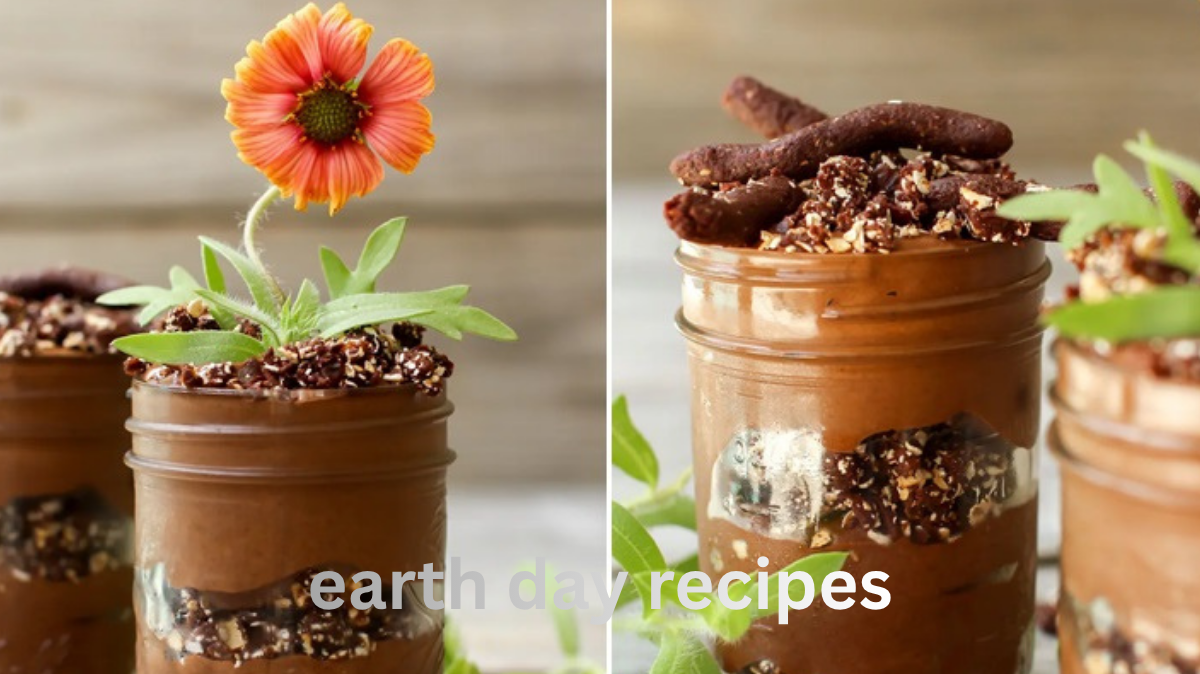
Earth Day recipes should feel practical, not preachy. Most people want to eat in a way that feels better for the planet, but the advice can quickly become overwhelming. Buy everything organic. Stop wasting food. Eat less meat. Avoid plastic. Cook seasonally. It sounds good until you are standing in the kitchen with half a bag of spinach, a few soft carrots, leftover rice, and no clear plan.
That is where simple Earth Day recipes can help. They turn the idea of sustainability into something you can actually do today: cook with what you already have, use more plants, waste less, and make meals that still taste comforting and satisfying. This guide gives you realistic recipe ideas, smart cooking habits, and practical tips for building an Earth Day meal without spending a fortune or creating more stress. Whether you are cooking for your family, a small gathering, or just yourself, these ideas will help you make food that feels thoughtful, seasonal, and genuinely useful.
What Makes a Recipe Good for Earth Day?
A good Earth Day recipe is not only about using vegetables. It is about making choices that reduce waste, use fewer resources, and make better use of ingredients already in your kitchen.
In real life, sustainable cooking usually means:
- Using more plant-based ingredients
- Cooking with seasonal produce
- Reducing food scraps
- Reusing leftovers creatively
- Choosing simple ingredients with less packaging
- Making meals that do not require lots of energy or complicated steps
The best Earth Day recipes are flexible. They let you swap ingredients instead of forcing you to buy ten new things. For example, a grain bowl can work with rice, quinoa, barley, couscous, or even leftover pasta. A soup can use tired vegetables that would otherwise be thrown away. A smoothie can save fruit that is too soft for snacking but still perfectly good.
That flexibility matters because one of the biggest problems in everyday cooking is not a lack of recipes. It is buying ingredients for one special meal and then letting the leftovers sit unused.
Simple Earth Day Recipe Ideas for a Low-Waste Meal
You do not need a complicated menu to celebrate Earth Day. A strong Earth Day meal can be built around three ideas: plants, leftovers, and seasonal flavor.
Here are practical recipes that feel fresh, filling, and easy to adjust.
Spring Vegetable Grain Bowl
A grain bowl is one of the easiest Earth Day recipes because it uses leftovers beautifully. It can become lunch, dinner, or a meal-prep option for the next day.
Ingredients
- 2 cups cooked rice, quinoa, barley, or farro
- 1 cup roasted or sautéed seasonal vegetables
- 1 cup leafy greens
- ½ cup chickpeas, lentils, or beans
- 2 tablespoons seeds or chopped nuts
- 2 tablespoons olive oil
- 1 tablespoon lemon juice or vinegar
- Salt, pepper, and herbs to taste
How to Make It
Start with cooked grains in a bowl. Add vegetables, greens, and a plant-based protein like chickpeas or lentils. Mix olive oil with lemon juice, salt, pepper, and any herbs you have. Drizzle it over the bowl and finish with seeds or nuts for crunch.
The real benefit of this recipe is that it turns small amounts of food into a complete meal. A little leftover roasted broccoli, a spoonful of beans, and yesterday’s rice suddenly feel intentional instead of random.
Practical Tip
Keep one “bowl sauce” ready in the fridge. A simple mix of olive oil, lemon, mustard, garlic, and a little honey or maple syrup can make almost any leftover taste fresh again.
No-Waste Vegetable Soup
Vegetable soup is a classic Earth Day recipe because it uses ingredients that are close to being wasted. Slightly soft carrots, celery leaves, broccoli stems, onion ends, and herb stems can all add flavor.
Ingredients
- 1 tablespoon olive oil
- 1 onion or leek, chopped
- 2 garlic cloves, minced
- 3 cups mixed vegetables
- 1 cup beans or lentils
- 4 cups vegetable broth or water
- 1 teaspoon dried herbs
- Salt and pepper
- A squeeze of lemon before serving
How to Make It
Heat olive oil in a pot. Add onion and garlic, then cook until soft. Add chopped vegetables, beans, broth, and herbs. Simmer until everything is tender. Taste and adjust with salt, pepper, and lemon juice.
This soup works because it is forgiving. Carrots, potatoes, cabbage, zucchini, spinach, peas, and tomatoes can all fit. If the soup feels thin, add cooked rice or pasta. If it feels flat, add vinegar, lemon, or fresh herbs.
Unique Insight: Save “Flavor Scraps”
One underrated trick is to keep a freezer bag for clean vegetable scraps. Onion skins, carrot peels, celery tops, mushroom stems, and herb stalks can become homemade broth. This does not just reduce waste; it gives your soups deeper flavor without buying extra ingredients.
Earth Day Pasta with Greens and Breadcrumbs
Pasta is often overlooked in sustainable cooking, but it can be a smart low-waste meal. The key is using vegetables and pantry ingredients instead of heavy packaged sauces.
Ingredients
- 8 ounces pasta
- 2 cups spinach, kale, or any greens
- 2 garlic cloves
- 2 tablespoons olive oil
- ½ cup breadcrumbs
- Lemon zest or juice
- Salt, pepper, and chili flakes
How to Make It
Cook the pasta and save a cup of pasta water. In a pan, warm olive oil and garlic. Add greens and cook until wilted. Toss in the pasta with a splash of pasta water. Season with lemon, salt, pepper, and chili flakes. Toast breadcrumbs in a dry pan or with a little oil, then sprinkle them on top.
Breadcrumbs are a simple way to use stale bread. Instead of throwing away the last hard pieces of a loaf, pulse or crumble them and toast them. They add texture and make the dish feel finished.
Common Mistake
Do not overbuy greens for this recipe. Use what you already have first. Spinach, kale, arugula, beet greens, and even the leafy tops of some vegetables can work.
Lentil Tacos with Crunchy Cabbage Slaw
Lentils are affordable, filling, and lower-impact than many animal proteins. They also absorb flavor well, which makes them perfect for tacos.
Ingredients
- 1 cup cooked lentils
- 1 teaspoon cumin
- 1 teaspoon smoked paprika
- ½ teaspoon garlic powder
- 1 tablespoon tomato paste or salsa
- Corn or flour tortillas
- 1 cup shredded cabbage
- 1 tablespoon lime juice
- 1 tablespoon olive oil
- Salt and pepper
How to Make It
Warm lentils in a pan with spices, tomato paste, and a splash of water. Stir until thick and flavorful. Toss cabbage with lime juice, olive oil, salt, and pepper. Fill tortillas with lentils and top with slaw.
This recipe is useful because cabbage lasts longer than many salad greens. If you often buy lettuce and watch it wilt, cabbage is a better choice for low-waste cooking.
Practical Use Case
This is a great Earth Day dinner for families because people can build their own tacos. You can add leftover roasted vegetables, avocado, salsa, herbs, or pickled onions depending on what you have.
Roasted Root Vegetable Tray Bake
A tray bake is one of the easiest ways to cook with minimal cleanup. It also helps use vegetables that have been sitting in the pantry.
Ingredients
- 4 cups chopped root vegetables
- 1 onion, sliced
- 2 tablespoons olive oil
- 1 teaspoon dried herbs
- Salt and pepper
- 1 cup cooked beans or chickpeas
- Yogurt sauce, tahini sauce, or lemon dressing
How to Make It
Spread vegetables and onion on a baking tray. Add olive oil, herbs, salt, and pepper. Roast until golden and tender. Add beans or chickpeas near the end to warm them through. Serve with a simple sauce.
Carrots, potatoes, sweet potatoes, parsnips, turnips, and beets are all good choices. The goal is not perfection. The goal is making a satisfying meal from sturdy ingredients that might otherwise be forgotten.
Unique Insight: Cook Once, Use Three Ways
A tray of roasted vegetables can become three different meals. Serve it first as a dinner bowl, use leftovers in a wrap the next day, then blend the final portion into soup. This “cook once, use three ways” method is one of the most realistic ways to reduce food waste at home.
Earth Day Breakfast: Overnight Oats with Fruit
Sustainable eating starts before dinner. Overnight oats are simple, affordable, and easy to make with fruit that is getting too ripe.
Ingredients
- ½ cup oats
- ½ cup milk or plant-based milk
- ¼ cup yogurt, optional
- 1 teaspoon chia seeds or ground flaxseed
- 1 teaspoon honey or maple syrup
- Soft fruit, chopped or mashed
How to Make It
Mix oats, milk, yogurt, seeds, and sweetener in a jar or bowl. Add fruit and refrigerate overnight. In the morning, stir and add nuts, seeds, or cinnamon.
Bananas with brown spots, soft berries, bruised peaches, and overripe pears all work well here. This recipe helps prevent the very common problem of throwing out fruit because it no longer looks perfect.
Earth Day Snack: Crispy Chickpeas
Crispy chickpeas are a good alternative to heavily packaged snacks. They are crunchy, flavorful, and easy to season in different ways.
Ingredients
- 1 can chickpeas, drained and dried
- 1 tablespoon olive oil
- ½ teaspoon salt
- ½ teaspoon paprika, cumin, curry powder, or garlic powder
How to Make It
Dry chickpeas well with a towel. Toss with oil and seasoning. Bake until crisp, shaking the tray once or twice.
The important step is drying the chickpeas. If they are too wet, they steam instead of crisping. Once cooked, they can be eaten as a snack or added to salads and bowls.
How to Build a Full Earth Day Menu
A balanced Earth Day menu does not need to be fancy. In fact, the most sustainable menu is often the one that uses what you already own.
Here is a simple structure:
- Choose one plant-based main dish.
- Add one seasonal vegetable side.
- Use one leftover ingredient creatively.
- Make one low-waste snack or breakfast.
- Avoid buying ingredients that will only be used once.
For example, you could make lentil tacos, cabbage slaw, crispy chickpeas, and overnight oats for the next morning. The ingredients overlap, the leftovers are useful, and nothing feels too complicated.
Smart Ingredient Swaps for Earth Day Recipes
Sustainable cooking becomes easier when you know how to swap ingredients confidently.
Protein Swaps
Use lentils, beans, chickpeas, tofu, peas, or nuts in place of some meat-based meals. You do not have to become fully plant-based overnight. Even replacing one or two meals a week can make your kitchen more flexible and affordable.
Grain Swaps
Use whatever grain you already have. Rice, oats, barley, couscous, quinoa, bulgur, and pasta can often replace one another in bowls, soups, and salads.
Vegetable Swaps
Seasonal vegetables are usually fresher and more practical. If a recipe calls for asparagus but you have broccoli, use broccoli. If it calls for spinach but you have kale, use kale. Good Earth Day recipes should adapt to your kitchen, not the other way around.
Common Mistakes to Avoid
The biggest mistake is treating Earth Day cooking like a one-day performance. Buying expensive specialty ingredients for one meal can create more waste if you never use them again.
Another mistake is assuming sustainable food must be bland. Flavor matters. Acid, herbs, spices, roasted edges, crunchy toppings, and good sauces make plant-forward meals satisfying.
A third mistake is throwing away edible parts too quickly. Broccoli stems, carrot tops, celery leaves, herb stems, stale bread, and soft fruit can all be useful when handled properly.
Finally, avoid making the menu too complicated. A simple soup, grain bowl, or taco night can be more sustainable than a long recipe that leaves you with unused ingredients.
Advanced Tips for More Sustainable Cooking
Once you are comfortable with basic Earth Day recipes, you can go a step further.
Plan Around Ingredient Overlap
Instead of planning five separate meals, choose ingredients that can work across several dishes. Cabbage can become slaw, stir-fry, soup, or taco topping. Lentils can become tacos, soup, salad, or pasta sauce. Oats can become breakfast, snack bars, or a crumble topping.
This is one of the most practical sustainability habits because it reduces the chance of buying food for one recipe and wasting the rest.
Use the “First to Spoil” Rule
Before planning dinner, check what will spoil first. Leafy greens, fresh herbs, berries, and soft vegetables should be used before potatoes, carrots, onions, rice, pasta, or canned beans.
This simple habit can change how much food your household wastes. It also makes cooking feel easier because your ingredients tell you what needs to happen next.
Think About Energy Use
Not every sustainable choice is about ingredients. Cooking methods matter too. One-pot meals, pressure cooking, batch roasting, and no-cook meals can reduce energy use and cleanup.
For example, if the oven is already on for roasted vegetables, add chickpeas or potatoes at the same time. If you cook lentils, make extra and use them in two meals. These small choices save time as well as resources.
Real-Life Earth Day Meal Example
Imagine you open the fridge and see half a cabbage, two carrots, cooked rice, a lemon, a can of chickpeas, and some wilted spinach. Instead of ordering food or making a grocery run, you can build a full Earth Day meal.
Roast the carrots and chickpeas with spices. Warm the rice. Toss cabbage with lemon and oil for slaw. Stir the spinach into the rice or soup. Suddenly, the odds and ends become a colorful meal.
This is the heart of Earth Day cooking. It is not about perfect ingredients. It is about noticing value in what you already have.
FAQ
What are the best Earth Day recipes for beginners?
The best Earth Day recipes for beginners are grain bowls, vegetable soups, lentil tacos, overnight oats, and tray bakes. These meals are flexible, affordable, and easy to make with ingredients you already have. They also help reduce food waste because you can swap vegetables, grains, and proteins without ruining the recipe.
How can I make Earth Day recipes without spending more money?
Start with pantry ingredients like rice, oats, beans, lentils, pasta, and canned chickpeas. Then add seasonal vegetables or use produce already in your fridge. The goal is not to buy special ingredients, but to waste less and make simple meals feel fresh. Planning around ingredient overlap also helps you save money.
Are Earth Day recipes always vegetarian?
No, Earth Day recipes do not have to be fully vegetarian. However, many are plant-forward because beans, lentils, grains, vegetables, nuts, and seeds usually have a lighter environmental footprint than meat-heavy meals. You can also start by reducing meat in one meal instead of removing it completely.
What can I cook for an Earth Day dinner?
A good Earth Day dinner could be lentil tacos with cabbage slaw, a spring vegetable grain bowl, no-waste vegetable soup, or roasted root vegetables with chickpeas. Choose a meal that uses seasonal produce and ingredients you already have. Keep it simple so the meal feels realistic, not stressful.
How do Earth Day recipes help reduce food waste?
Earth Day recipes help reduce food waste by using leftovers, soft fruit, vegetable scraps, stale bread, and flexible pantry items. Recipes like soups, bowls, tray bakes, and smoothies are especially useful because they allow easy substitutions. This makes it less likely that small amounts of food get forgotten and thrown away.
What is a simple Earth Day recipe for kids?
Lentil tacos, overnight oats, and crispy chickpeas are simple Earth Day recipes that many kids can help prepare. Children can mix toppings, build their own bowls, or choose fruit for oats. These recipes also make sustainability feel hands-on instead of like a lecture.
Conclusion
Earth Day recipes do not need to be complicated, expensive, or perfect. The most useful ones help you cook with more plants, waste less food, and make better use of what is already in your kitchen. A grain bowl, vegetable soup, lentil taco night, tray bake, or overnight oats can all become small but meaningful ways to eat more thoughtfully.
The real value is not just one Earth Day meal. It is learning habits you can repeat: checking what needs to be used first, saving scraps for broth, choosing flexible recipes, and planning meals with overlapping ingredients. When sustainable cooking feels easy, it becomes something you can actually keep doing.
