
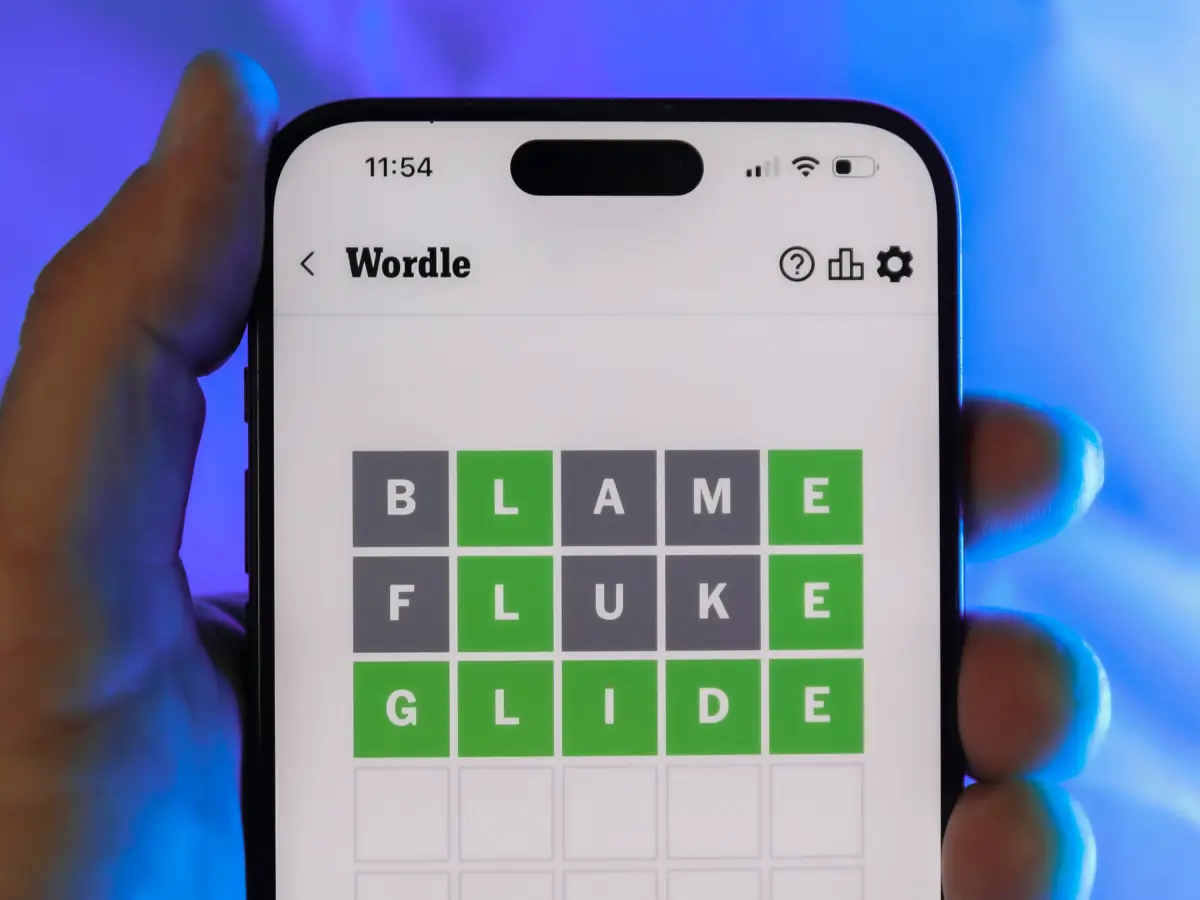
If you are looking for the today Wordle answers, you may already be staring at a nearly complete grid with one frustrating word missing. Some Wordle puzzles feel easy until the final two or three guesses, when similar-looking words suddenly become impossible to separate. Today’s puzzle is a good example of why starting strategy and letter placement matter.
For Thursday, September 3, 2026, the New York Times Wordle is Puzzle #1,902, and the answer is JOIST. The word has two vowels, contains no repeated letters, and begins with the relatively uncommon starting letter J. Multiple current Wordle guides independently report the same solution.
If you have not played yet, you may want to stop before the answer section so you can preserve the challenge. If your guesses have run out—or you’re simply protecting a long-running streak—the answer, meaning, useful clues, and solving strategy are below.
Today’s Wordle Answer: JOIST
Today’s Wordle answer for September 3, 2026, is JOIST.
The puzzle is Wordle #1,902. The answer is a five-letter noun referring to a horizontal structural member used to support a floor or ceiling.
Today’s Wordle at a Glance
| Clue | Answer |
|---|---|
| Date | September 3, 2026 |
| Puzzle number | #1,902 |
| Number of letters | 5 |
| Starting letter | J |
| Vowels | 2 |
| Repeated letters | None |
| Answer | JOIST |
| Meaning | A horizontal structural support |
The unusual feature is the J at the beginning. According to Tom’s Guide’s analysis, J is an especially uncommon letter in the Wordle answer pool, making today’s opening position harder to anticipate.
What Does “Joist” Mean?
A joist is a horizontal beam that supports part of a building, typically a floor or ceiling.
Imagine looking underneath a wooden floor. You would find parallel structural members running across the space, supporting the floor above. Those members are joists.
The word can therefore be remembered through a simple construction image:
Floor → supporting beams underneath → joists
Today’s clue is particularly useful because the answer isn’t a word that most people use in everyday conversation.
Today’s Wordle Hints
If you want to solve the puzzle yourself without immediately seeing the answer, use these clues in order.
Hint 1: How Many Vowels?
Today’s answer contains two standard vowels.
They appear together in the middle of the word:
J O I S T
There are no repeated letters.
Hint 2: What Letter Does It Start With?
Today’s Wordle starts with:
J
That’s a valuable clue because J is not a particularly common starting letter in Wordle.
Hint 3: Think About Buildings
The answer describes a structural component found in buildings.
More specifically, think about the horizontal supports beneath a floor or ceiling.
Final Hint
The word looks like:
J O I _ _
If you’ve already identified J, O, and I, the final two letters should become much easier to work out.
Why Today’s Wordle Can Be Tricky
Today’s puzzle isn’t difficult because the answer contains complicated spelling.
Instead, the challenge comes from word familiarity and letter probability.
Most players naturally expect common starting letters such as S, C, B, T, P, or A. Starting with J forces you away from those familiar patterns.
Tom’s Guide reports that J is the least common character in the Wordle dictionary and notes that only a relatively small number of answers begin with it.
That creates an interesting psychological trap.
If your first guesses eliminate common letters, you might still hesitate to consider J because your brain has already formed a mental picture of the possible answer.
How to Solve Today’s Wordle More Efficiently
Wordle rewards information, not just lucky guesses.
If your first guess doesn’t reveal the answer, your next objective should be to eliminate as many possibilities as possible.
1. Start With High-Value Letters
A strong opening word should test several common letters and vowels.
You don’t necessarily need to guess a word that you think might be the answer. Instead, use your first turn as a diagnostic tool.
For example, a good opening guess can test:
- A
- E
- I
- O
- Common consonants
- Different letter positions
The goal is to learn something.
2. Don’t Repeat Gray Letters
If Wordle has already confirmed that a letter isn’t in the answer, avoid wasting another guess on it unless there is a specific strategic reason.
Every turn matters.
3. Pay Attention to Letter Position
A yellow tile is not simply “a correct letter.”
It means:
The letter exists, but not in that position.
That distinction becomes extremely important when you have only two or three possible words remaining.
A Practical Example of the Thought Process
Suppose your guesses reveal:
- O is green
- I is green
- Several common consonants are gray
- You haven’t tested J
At this point, don’t keep throwing random common words at the puzzle.
Ask:
What five-letter words can fit the pattern?
Once J becomes a possibility, the answer JOIST becomes much easier to recognize.
This is one of the most useful habits in Wordle: move from guessing words to solving constraints.
Today’s Wordle Starting Letter Is a Major Clue
The answer begins with J, which is unusual enough to deserve special attention.
According to TechRadar’s analysis, J is the least common letter overall in Wordle, although it isn’t quite the rarest starting letter because the letter appears disproportionately often at the beginning of the answers in which it occurs.
That’s an interesting distinction.
A letter can be uncommon overall while still being reasonably useful as a starting-letter clue.
This is why blindly following letter-frequency statistics isn’t always optimal. Frequency depends on position.
Two Vowels Make JOIST Easier Once You Find Them
The middle of today’s answer is:
OI
That combination is valuable because adjacent vowels can quickly narrow the candidate list.
Many players instinctively search for familiar vowel patterns such as:
- EA
- AI
- OU
- OO
But OI appears in fewer everyday words.
Once you know that O and I occupy the second and third positions, the candidate pool becomes much smaller.
No Double Letters Today
There are no repeated letters in JOIST.
The five letters are:
J – O – I – S – T
Each appears exactly once.
This matters because repeated-letter possibilities can consume guesses.
For example, if you have four known letters, you still need to consider whether the fifth position duplicates one of them. Today’s puzzle removes that complication.
An Underappreciated Wordle Skill: Recognizing Technical Vocabulary
Today’s answer provides a useful lesson.
You don’t need to know every possible English word to become good at Wordle. But having some exposure to different vocabulary categories can help.
Words can come from areas such as:
- Construction
- Cooking
- Geography
- Biology
- Music
- Finance
- Sports
- History
- Tools and machinery
“Joist” belongs to construction vocabulary.
You may never use it in conversation, but recognizing it becomes easier if you’ve encountered basic building terminology.
What If You Didn’t Know the Word “Joist”?
Don’t worry.
Wordle is fundamentally a deduction game, not a test of professional knowledge.
You could potentially reach JOIST without knowing its definition.
For example, if your board eventually gives you:
J O I _ _
the remaining possibilities become highly constrained.
This is an important distinction:
You can solve a word without knowing what it means.
Then you can learn the definition afterward.
Today’s Wordle Difficulty
Current Wordle coverage describes today’s puzzle as relatively manageable once the unusual starting letter and construction clue are known. Tom’s Guide reports that its WordleBot analysis put the average solve around 4.3 guesses in normal mode and 4.2 in hard mode.
That doesn’t mean every player will need four guesses.
Wordle results are heavily influenced by the opening word and the information revealed by each guess.
A lucky first guess can produce a two- or three-turn solve, while an unlucky sequence can leave an experienced player searching until the final attempt.
Common Mistakes Players Make
Guessing Only Based on Meaning
A clue may suggest a particular category, but Wordle is ultimately about spelling.
Don’t search for words that merely “sound right.”
Check the letter pattern.
Ignoring Unusual Starting Letters
Players often mentally eliminate unusual letters before they’ve actually tested them.
Today’s J is a perfect example.
If common letters aren’t working, expand your search rather than forcing familiar patterns.
Using the Same Vowels Repeatedly
Once you’ve established that certain vowels aren’t present, don’t keep spending guesses testing them.
Use your remaining turns to explore new consonants and positions.
Forgetting Word Position
A yellow O doesn’t mean “put O somewhere else and hope.”
You should record where O cannot go.
Wordle becomes much easier when every color changes your candidate list.
Three Less-Obvious Insights From Today’s Puzzle
1. Rare Letters Aren’t Automatically Bad Guesses
Many Wordle players treat unusual letters as something to avoid. That’s usually sensible during the opening move, but once common letters have been eliminated, rare letters can become extremely valuable.
A J can suddenly be more informative than another guess containing common letters you’ve already ruled out.
2. Meaning Can Help After Letter Logic Has Done the Work
Today’s construction-related answer demonstrates an effective two-stage strategy.
First use letter patterns to narrow the field. Then use the meaning of the remaining candidates to select the most plausible answer.
That is often more reliable than trying to guess the definition from the beginning.
3. The Best Guess Isn’t Always the Most Likely Answer
This is a subtle but important Wordle distinction.
A good guess maximizes information.
A good answer prediction maximizes the chance of being correct.
Those aren’t always the same thing.
If you have several possibilities remaining, you may sometimes want to play a word that eliminates multiple candidates rather than immediately choosing the word you think is most likely.
What Was Yesterday’s Wordle Answer?
If you’re checking your streak history, the previous puzzle—Wordle #1,901 on September 2, 2026—was:
RULER
That word contained a repeated R, making it quite different from today’s JOIST.
The sequence illustrates why you shouldn’t assume that yesterday’s letter patterns tell you much about today’s puzzle. Each Wordle is an independent challenge.
What Is Tomorrow’s Wordle?
The next puzzle will be released on Friday, September 4, 2026.
Because Wordle answers are intended to remain a daily surprise, it’s better to approach tomorrow’s puzzle fresh rather than trying to predict the answer from today’s word.
If you’re building a long streak, the most useful habit is to focus on the board in front of you rather than worrying about what the next answer might be.
FAQ
What is today’s Wordle answer for September 3, 2026?
Today’s Wordle answer is JOIST, puzzle #1,902. It is a five-letter word meaning a horizontal structural member used to support a floor or ceiling.
What does today’s Wordle start with?
The September 3, 2026 Wordle starts with J. It contains two vowels, O and I, and none of its letters are repeated.
Is JOIST a difficult Wordle answer?
JOIST can be challenging because J is an unusual starting letter and “joist” is construction-related vocabulary that isn’t used frequently in everyday conversation. Once the J-O-I pattern becomes visible, however, the answer becomes considerably easier to identify.
How many vowels are in today’s Wordle?
Today’s answer contains two standard vowels: O and I. They appear next to each other in the second and third positions.
What was yesterday’s Wordle answer?
The answer for September 2, 2026, was RULER, which was Wordle #1,901. Unlike today’s answer, RULER contains a repeated letter.
Conclusion
The today Wordle answer for Thursday, September 3, 2026, is JOIST. It is Wordle #1,902, a five-letter construction term describing a horizontal support used beneath floors or ceilings.
Today’s puzzle is a good reminder that Wordle isn’t simply about knowing obscure vocabulary. Strong solving comes from combining letter frequency, position tracking, elimination, and—when necessary—a willingness to consider words you don’t use every day.
If JOIST broke your streak, don’t take it too personally. The unusual J and technical meaning made this one less obvious than many everyday five-letter words. More importantly, understanding why the puzzle was difficult can make your next game easier.
