
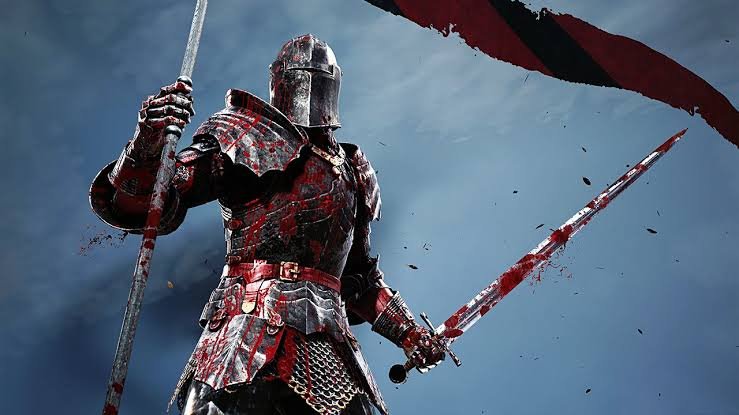
If you’ve started playing Chivalry 2, you’ve probably experienced the same frustration as many new players. You charge confidently into battle, swing your weapon a few times, and suddenly you’re surrounded, disarmed, or defeated by someone who seems impossible to hit. At first glance, the game feels like a medieval hack-and-slash, but after a few matches, it becomes clear that timing, positioning, and decision-making matter far more than simply attacking faster.
The good news is that Chivalry 2 rewards practice in meaningful ways. Unlike many competitive games where better gear determines success, improvement comes from understanding combat mechanics, choosing the right weapon for your playstyle, and learning how battles unfold. Even experienced players continue refining their techniques because every fight presents different challenges.
This guide explains everything you need to know, from mastering the fundamentals to developing advanced combat habits. Whether you’re hoping to survive longer, contribute more during objective-based matches, or consistently win one-on-one duels, you’ll find practical strategies that make a real difference on the battlefield.
What Is Chivalry 2?
Chivalry 2 is a first-person multiplayer medieval combat game built around large-scale battles, objective-based warfare, and skill-driven melee combat. Players fight using swords, axes, spears, bows, and other medieval weapons while defending castles, attacking villages, escorting siege equipment, and completing battlefield objectives.
Unlike many multiplayer action games, success depends less on quick reflexes alone and more on reading your opponent, controlling space, and managing stamina.
Every battle combines several gameplay elements:
- Melee combat
- Team objectives
- Class-based roles
- Weapon specialization
- Battlefield awareness
- Tactical positioning
The result is combat that feels unpredictable, rewarding, and highly replayable.
Why Chivalry 2 Feels Different From Other Medieval Games
Many players expect Chivalry 2 to play like a traditional action game.
Instead, combat revolves around timing rather than button mashing.
Key differences include:
- Every swing has weight and commitment.
- Blocking consumes stamina.
- Footwork is as important as attacking.
- Multiple opponents create unique challenges.
- Team fights constantly evolve.
Winning usually comes from making better decisions rather than simply attacking more often.
Understanding the Core Combat System
Learning the combat system is the fastest way to improve.
Many beginners lose fights because they only use basic attacks.
The combat system includes several important mechanics.
Light Attacks
Light attacks are faster and useful for applying pressure.
Advantages include:
- Quick recovery
- Faster combos
- Easier to interrupt opponents
However, they deal less damage than heavy attacks.
Heavy Attacks
Heavy attacks require more time but deal significantly greater damage.
They’re most effective when:
- Punishing missed attacks
- Breaking defensive opponents
- Fighting groups with wide swings
Avoid using heavy attacks carelessly because experienced players can punish the long recovery time.
Blocking
Blocking prevents incoming damage but drains stamina.
Good players don’t hold block constantly.
Instead they:
- Block only when necessary.
- Counterattack immediately afterward.
- Preserve stamina for longer fights.
Running out of stamina often leaves you vulnerable to disarm attacks.
Dodging
Dodging creates space while avoiding incoming strikes.
It’s especially useful against:
- Heavy weapons
- Multiple attackers
- Aggressive opponents
Good movement often wins battles before weapons even connect.
Choosing the Right Class
Each class offers different strengths.
Finding one that matches your preferred playstyle makes improvement easier.
Knight
Knights excel in durability.
Strengths:
- High health
- Strong armor
- Excellent frontline fighter
Weaknesses:
- Slower movement
- Easier target for archers
Ideal for players who enjoy leading assaults.
Vanguard
Vanguards focus on mobility and aggressive attacks.
Advantages include:
- Fast movement
- High damage
- Powerful charge attacks
They’re excellent for flanking enemies but require careful positioning.
Footman
Footmen provide balance between offense and defense.
Common roles include:
- Spear combat
- Polearms
- Supporting teammates
- Holding defensive positions
This class rewards teamwork more than individual aggression.
Archer
Archers provide long-range support.
Responsibilities include:
- Eliminating weakened enemies
- Disrupting advancing opponents
- Supporting teammates from distance
Effective archers constantly reposition rather than remaining in one location.
Understanding Weapons
Weapons differ in more ways than damage.
Important characteristics include:
- Range
- Swing speed
- Recovery time
- Stamina usage
- Reach
- Combo potential
Learning a weapon’s strengths is more valuable than constantly switching between different options.
Fast Weapons
Examples include:
- Short Sword
- Falchion
- One-handed Axe
Best suited for:
- Quick duels
- Interrupting attacks
- Fast recovery
Heavy Weapons
Examples include:
- Greatsword
- Maul
- Executioner’s Axe
These excel at:
- Crowd control
- High damage
- Wide attacks
Their slower speed requires better timing.
Polearms
Polearms offer exceptional reach.
Advantages include:
- Keeping enemies at distance
- Supporting teammates
- Defending objectives
Poor positioning, however, can leave polearm users vulnerable in close quarters.
How Objectives Win Matches
Many players become so focused on defeating enemies that they ignore mission objectives.
Objective-based modes reward teamwork more than individual kill counts.
Common objectives include:
- Capturing areas
- Escorting siege equipment
- Destroying gates
- Defending castles
- Protecting nobles
A player with fewer eliminations but excellent objective play often contributes far more to the team’s success.
Positioning Is More Important Than Aim
One of the biggest misconceptions is that winning depends on landing perfect attacks.
In reality, positioning has a greater impact.
Good positioning involves:
- Staying with teammates
- Avoiding fights while surrounded
- Watching for enemy reinforcements
- Keeping escape routes available
- Using terrain effectively
Experienced players frequently survive difficult battles simply because they choose smarter locations to fight.
Reading Your Opponent
Combat becomes easier once you stop watching only your own character.
Instead, observe your opponent.
Look for patterns such as:
- Repeated heavy attacks
- Predictable dodges
- Constant blocking
- Aggressive rushing
- Defensive hesitation
Recognizing habits allows you to anticipate their next move instead of reacting too late.
One Advanced Insight Many Players Miss
Many guides focus on attack combinations, but experienced players often pay more attention to stamina management than damage output.
Winning a duel isn’t always about reducing your opponent’s health first. Sometimes it’s about forcing them to waste stamina through repeated blocks, missed attacks, or poorly timed swings. Once their stamina is depleted, they become much easier to pressure, disarm, and defeat.
This subtle shift in mindset separates average players from consistently successful ones, especially in evenly matched fights.
Advanced Combat Techniques
Once you’ve mastered the basics, Chivalry 2 becomes a game of anticipation rather than reaction. Skilled players rarely win because they swing faster—they win because they force opponents into making mistakes.
Master Counterattacks
Countering is one of the most valuable mechanics in the game. A successful counter not only defends against an incoming strike but also allows you to regain momentum.
Practice recognizing attack timing instead of blocking every swing. As your timing improves, you’ll use less stamina and create more opportunities to punish aggressive opponents.
Use Feints Wisely
A feint interrupts your attack animation and transitions into another attack.
Effective uses include:
- Forcing opponents to block too early
- Creating openings against defensive players
- Breaking predictable combat patterns
Avoid overusing feints, as experienced opponents quickly recognize repetitive behavior.
Dragging and Accelerating Attacks
Advanced players manipulate swing timing by moving their camera during attacks.
Dragging delays the weapon’s impact.
Accelerating speeds up contact.
These techniques make attacks harder to predict and can disrupt your opponent’s defensive timing. While they take practice, mastering them significantly improves duel performance.
Team Fighting Strategies
Large battles are where Chivalry 2 truly shines.
Success depends on awareness as much as mechanical skill.
Fight Alongside Teammates
Instead of chasing isolated enemies across the battlefield:
- Stay near allies.
- Focus on shared targets.
- Protect teammates during recovery animations.
- Revive fallen allies whenever safe.
Winning several small engagements often has a greater impact than searching for individual duels.
Avoid Tunnel Vision
Many players become so focused on one opponent that they ignore their surroundings.
Regularly check:
- Enemy flanks
- Incoming reinforcements
- Friendly positions
- Objective progress
Battlefields change rapidly, and awareness prevents unnecessary deaths.
Choosing Weapons for Different Situations
No single weapon dominates every scenario.
| Situation | Recommended Weapon Style |
|---|---|
| One-on-one duels | Longsword, Messer, Falchion |
| Large team fights | Greatsword, Dane Axe |
| Defending objectives | Spear, Halberd |
| Aggressive flanking | One-handed Axe, Short Sword |
| Crowd control | Executioner’s Axe, Polehammer |
Experimenting with multiple weapons helps you adapt to different maps and objectives.
Common Mistakes That Hold Players Back
1. Swinging Constantly
Continuous attacks leave little opportunity to defend.
Patience often wins difficult fights.
2. Ignoring Stamina
Running out of stamina makes blocking ineffective and increases the chance of being disarmed.
Watch both your stamina bar and your opponent’s.
3. Fighting Multiple Enemies Alone
Even highly skilled players struggle against several coordinated opponents.
Whenever possible:
- Retreat toward teammates.
- Create space.
- Re-engage together.
4. Standing Still
Movement is essential.
Small adjustments in positioning make attacks miss and create better angles for counterattacks.
5. Chasing Every Kill
Overextending frequently leads to unnecessary deaths.
Remember that completing objectives usually contributes more to victory than securing one additional elimination.
Practical Tips for Improving Faster
Consistent improvement comes from building good habits.
Try these strategies:
- Pick one weapon and learn it thoroughly before switching.
- Spend time practicing counters instead of relying only on blocking.
- Watch experienced players to understand positioning.
- Stay with your team during objective modes.
- Learn map layouts and common choke points.
- Review why you lost each duel instead of blaming equipment.
- Focus on surviving longer rather than earning the highest kill count.
These habits produce steady improvement over time.
Solo Play vs Objective Play
| Solo Duels | Objective Battles |
|---|---|
| Tests individual skill | Rewards teamwork |
| Predictable engagements | Constant battlefield changes |
| Easier to study opponents | Requires greater awareness |
| Emphasizes mechanics | Emphasizes positioning and communication |
| Slower pace | More chaotic and dynamic |
Both modes develop valuable skills, but objective matches prepare players for the game’s largest battles.
Three Unique Insights Most Guides Overlook
1. Fatigue Affects Decision-Making More Than Mechanics
Long matches often cause players to become impatient. They begin rushing objectives, overcommitting to fights, and ignoring stamina. Taking a more measured approach in the later stages of a match frequently leads to better results than simply playing faster.
2. Battlefield Timing Matters More Than Perfect Accuracy
Experienced players often wait a few seconds before joining a crowded fight. Entering after teammates have already engaged allows you to attack distracted enemies rather than becoming the first target.
3. Defensive Pressure Can Be More Effective Than Constant Aggression
Many players assume aggressive play always wins. In reality, maintaining a strong defense often frustrates opponents into making reckless attacks. Letting your opponent create the opening can be more reliable than forcing one yourself.
Is Chivalry 2 Worth Playing Today?
Chivalry 2 continues to offer one of the most satisfying melee combat systems available. The combination of large-scale battles, objective-based gameplay, and skill-driven combat gives every match a unique feel.
While the learning curve may seem steep at first, each improvement feels meaningful. New techniques, better positioning, and smarter decision-making translate directly into stronger performance, making progress rewarding regardless of your experience level.
Players who enjoy tactical combat, medieval settings, and cooperative objective play will likely find Chivalry 2 engaging for many hours.
FAQ
Is Chivalry 2 difficult for beginners?
The game has a learning curve, especially because melee combat relies on timing and positioning rather than simple button presses. Starting with objective modes and practicing one weapon consistently helps new players improve much faster.
What is the best class for new players in Chivalry 2?
The Knight is generally the most forgiving choice because of its higher health and durability. It allows beginners to survive longer, learn combat mechanics, and gain confidence before trying faster but less durable classes.
Which weapon is best in Chivalry 2?
There isn’t a universally best weapon. Longswords offer excellent balance, while heavier weapons excel at crowd control and polearms provide superior reach. The best choice depends on your preferred playstyle and the situation.
How do you win more duels in Chivalry 2?
Winning duels requires more than fast attacks. Focus on managing stamina, learning counters, varying your attack timing with feints, and maintaining good positioning. Staying calm and observing your opponent’s habits also improves your chances.
Is teamwork important in Chivalry 2 objective modes?
Absolutely. Teams that communicate, revive allies, defend objectives, and fight together consistently outperform groups focused only on individual eliminations. Strong teamwork often determines the outcome of closely contested matches.
Conclusion
Chivalry 2 rewards players who think strategically as much as those with quick reflexes. Learning combat mechanics, understanding weapon strengths, managing stamina, and supporting teammates all contribute to long-term success.
Whether you’re stepping onto the battlefield for the first time or refining advanced techniques after dozens of matches, consistent improvement comes from practicing smart habits rather than relying on brute force. By focusing on timing, positioning, and objective play, you’ll become a more reliable teammate and a more formidable opponent in every battle.
